Tariff classification guide
Incorrect customs codes on international retail shipments often lead to overpaid duties. This guide details how to verify your receipts against active tariff schedules.


Receipt verification process
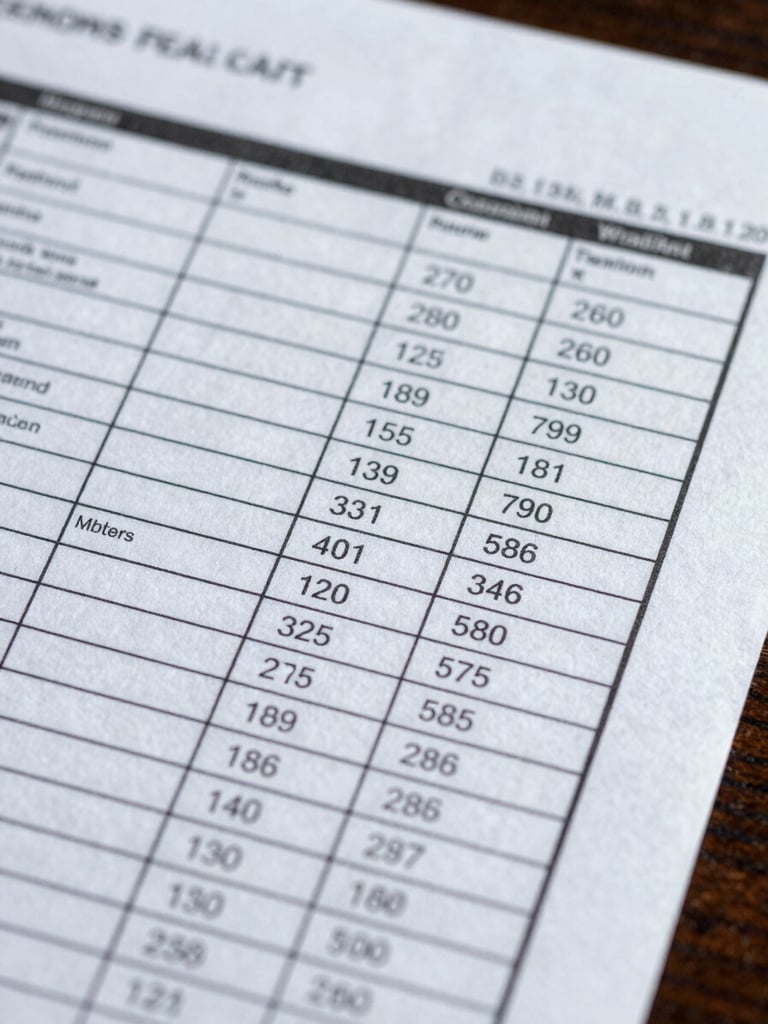
Every cross-border purchase generates documented proof. Verifying these documents requires cross-referencing specific fields with international trade databases to confirm accurate classification.
Crucial document markers
Look for the harmonized tariff code, country of origin, and net value. These three markers dictate the exact duty rate applied at the border. Misalignment in any of these fields indicates potential eligibility for recovery.
Common classification errors
Customs systems process millions of packages daily, relying heavily on automated classification. This automation frequently introduces errors that lead to overpayment.
Incorrect category codes
Value calculation faults
Origin misidentification
Items are often assigned generic, higher-rate tariff codes instead of specific exemptions. Reviewing the line-item classification ensures regulatory alignment with the correct trade schedules.
Shipping fees and local taxes are sometimes mistakenly included in the dutiable value calculation. True import duties must only apply to the net cost of the physical goods.
Preferential trade agreements are frequently overlooked during automated customs clearance. Verifying the true origin country can unlock lower duty rates or complete exemptions.
Secure eligibility assessment
Download the complete classification manual to audit your past international purchases or initiate a secure eligibility assessment with our trade specialists.